Blog Posts

Multi-Warehouse Inventory Synchronization: Practical Steps to Reduce Discrepancies

Multi-warehouse inventory synchronization is the automated coordination of inventory levels across multiple distribution centers, third-party logistics (3PL) facilities, and sales channels. It allows Warehouse Management Systems (WMS), Order Management Systems (OMS), and Enterprise Resource Planning (ERP) platforms to share consistent stock information, helping businesses reduce overselling, double-counting, and inventory discrepancies.

Shipment Exception Management: How to Respond to Delays Before Escalation

Shipment exception management is the proactive process of identifying, investigating, prioritizing, and resolving disruptions or deviations in the supply chain before they develop into costly service failures or late deliveries. Rather than waiting for a missed delivery deadline, logistics teams use shipment data, alerts, and defined response procedures to address

Truck Prices in Saudi Arabia 2026: Volvo, MAN & Trailers

Truck prices in Saudi Arabia are an important consideration for transport companies, logistics operators, fleet managers, and contractors planning to purchase commercial vehicles in 2026. The final cost depends on the manufacturer, model, engine specifications, axle configuration, vehicle condition, and intended application. Buyers comparing Volvo and MAN trucks should also

Sustainable Logistics Cutting Emissions Without Cutting Service

Sustainable Logistics: Cutting Emissions Without Cutting Service

Sustainable logistics encompasses the strategies, technologies, and operational frameworks designed to minimize the environmental impact of supply chain activities such as carbon emissions, fuel consumption, and waste generation without compromising delivery speed, cost efficiency, or service reliability. Modern digital logistics platforms can support this transition by connecting transportation, fleet, warehouse,

How AI is Transforming Logistics & Supply Chains

AI in logistics is fundamentally revolutionizing modern operations, shifting the industry away from static historical data and reactive problem-solving toward a proactive environment defined by advanced prediction, automation, better decision-making, and proactive risk management. From intelligent demand forecasting and inventory optimization to AI route optimization, warehouse automation, last-mile execution, and

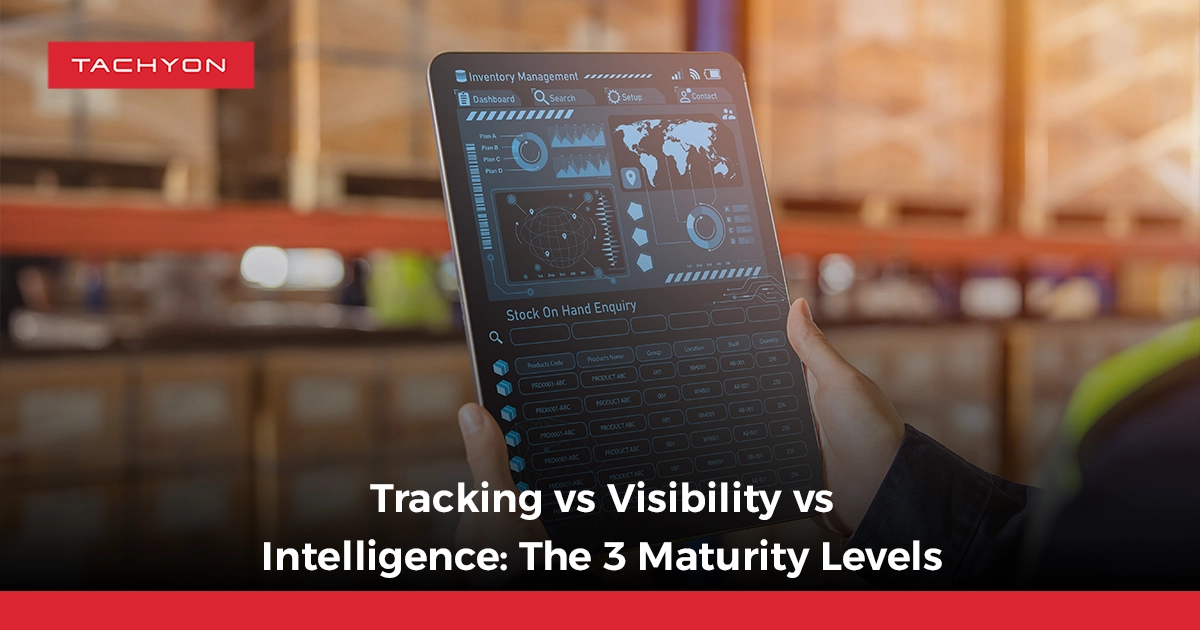
Tracking vs Visibility vs Intelligence The 3 Maturity Levels

Tracking vs Visibility vs Intelligence: The 3 Maturity Levels

Knowing where a shipment is no longer sufficient in today’s volatile supply chains. Navigating this landscape requires the logistics visibility maturity model, a framework mapping the transition from basic tracking to visibility and intelligence—moving from static location tracking to operational understanding and predictive intelligence. Organizations can accelerate this transition by

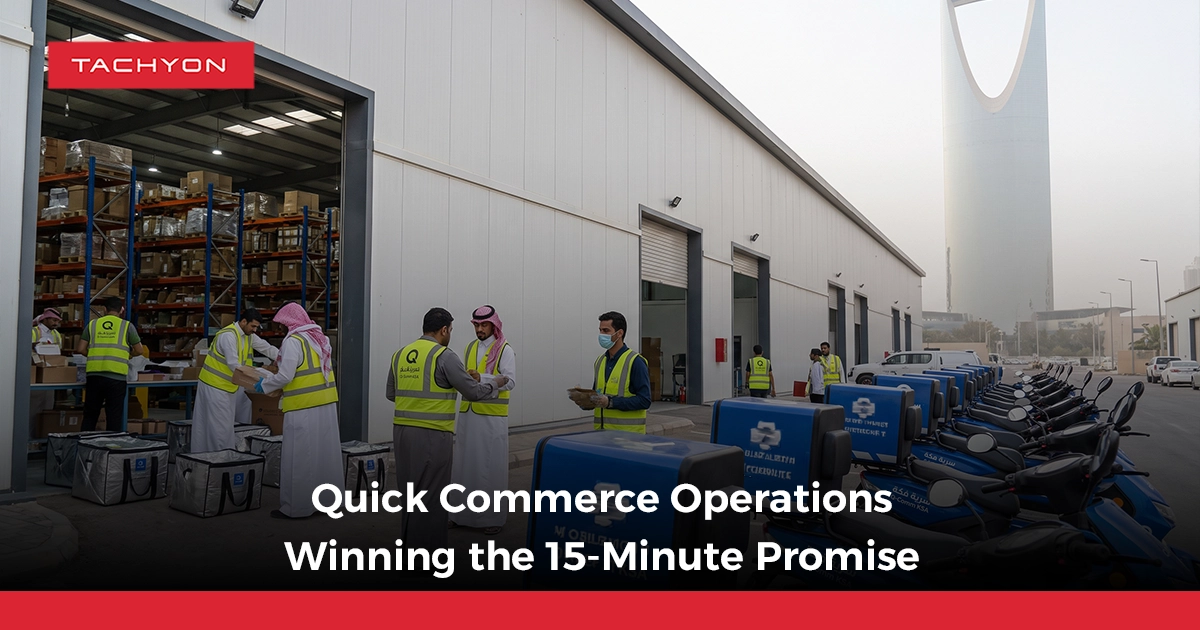
Quick Commerce Operations Winning the 15-Minute Promise

Quick Commerce Operations: Winning the 15-Minute Promise

Quick commerce operations do not rely solely on raw delivery speed; rather, they depend on an intricately synchronized operational ecosystem designed to shave seconds off every stage of the fulfillment lifecycle. From the moment an order is placed and inventory is verified to picking, packing, rider assignment, and final drop-off,

Dock Scheduling Software: How to Improve Loading Dock Efficiency

Dock scheduling software plays a central role in modern warehouse and supply chain operations. When trucks arrive unpredictably, schedules overlap, and docks sit idle or become overloaded, warehouses can experience costly delays. Digital scheduling tools help replace manual logs and spreadsheets with automated workflows that reduce congestion, improve appointment coordination,