
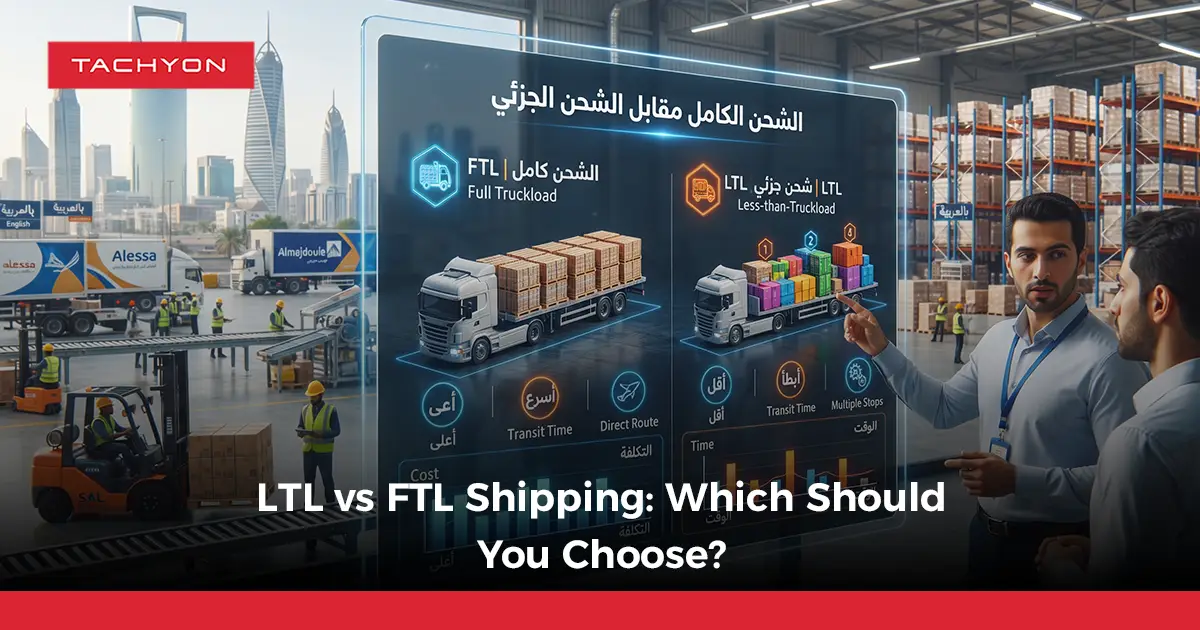
Choosing between LTL vs FTL affects transportation cost, delivery speed, cargo handling, and truck capacity utilization.
The right freight mode depends on how much space your shipment requires and how much control you need over the transportation process.
LTL, or less than truckload, allows several shippers to share the same truck. FTL, or full truckload, reserves the truck for one shipper. Understanding how both models operate helps businesses select the most efficient option for each shipment.
What Is LTL vs FTL Freight Shipping?
The main difference between LTL and FTL is how truck capacity is used. LTL combines several shipments inside one vehicle, while FTL provides dedicated truck capacity to a single shipper.
LTL is commonly used for smaller freight that does not require an entire trailer. FTL is generally selected for larger loads or shipments that require faster transit, limited handling, or dedicated transportation conditions.
Key Differences Between LTL and FTL Shipping
Comparing less than truckload and full truckload requires more than looking at shipment size. Transportation cost, delivery requirements, handling exposure, and truck utilization all affect the final decision.
1. Truck Capacity & Shipment Size
- LTL Capacity: Freight shares available trailer space with shipments from other businesses, allowing smaller loads to move without reserving an entire vehicle.
- FTL Capacity: One shipper reserves the truck, providing dedicated capacity even when every available position is not completely filled.
- Shipment Volume: Pallet count alone does not determine the freight mode because weight, dimensions, stackability, and trailer configuration also affect usable capacity.
2. Freight Cost Structure
- Shared LTL Cost: LTL allows several shippers to share transportation costs, making it efficient when a shipment requires only part of the truck.
- Dedicated FTL Cost: FTL pricing covers dedicated vehicle capacity, which can become more economical as shipment volume increases.
- Total Freight Cost: Businesses should also consider handling fees, waiting time, delivery delays, cargo damage, and additional service charges rather than comparing base rates alone.
3. Transit Time & Routing
- LTL Network: Shipments may travel through terminals, consolidation hubs, and several delivery points before reaching the final destination.
- FTL Routing: Dedicated trucks generally follow a more direct transportation route with fewer intermediate movements.
- Delivery Predictability: FTL is normally better suited to freight that requires strict pickup windows, delivery appointments, or time-sensitive transportation.
4. Cargo Handling & Damage Exposure
- Multiple LTL Touchpoints: LTL freight may be loaded, unloaded, sorted, and transferred several times during transportation.
- Reduced FTL Handling: Dedicated freight generally remains inside the same vehicle between pickup and final delivery.
- Sensitive Cargo: Fragile, valuable, irregular, or damage-sensitive goods may benefit from FTL when reducing freight handling is operationally important.
How LTL and FTL Shipments Move from Pickup to Delivery
The transportation process explains many of the differences between LTL and FTL. LTL relies on consolidation networks to maximize truck capacity, while FTL typically uses a simpler dedicated movement.
1. LTL Pickup & Consolidation
- Freight Pickup: The carrier collects the shipment from the shipper before combining it with compatible freight moving through the same transportation network.
- Terminal Consolidation: Shipments may be transferred to a local facility where freight is sorted according to destination, route, and available trailer capacity.
- Shared Line-Haul: Several customer shipments travel together during the main transportation stage to increase vehicle utilization.
2. LTL Transfer & Final Delivery
- Network Transfers: Freight may move between terminals or trailers as it travels toward the destination region.
- Destination Sorting: Shipments are separated and assigned to local transportation routes after reaching the destination terminal.
- Final Delivery: The carrier completes the final movement from the local terminal to the consignee.
3. FTL Direct Transportation
- Dedicated Assignment: A truck is allocated to one shipper and arrives at the agreed pickup location for loading.
- Direct Movement: Freight normally remains inside the assigned vehicle while the driver moves toward the destination.
- Final Unloading: Cargo is delivered and unloaded with fewer intermediate handling points compared with traditional LTL networks.
4. Digital Transportation Control
- Shipment Planning: A transport management system can centralize load planning, vehicle assignment, routing, shipment execution, and transportation documentation.
- Real-Time Visibility: Digital tracking allows logistics teams to monitor shipment status and identify delays or exceptions while freight is in transit.
- Performance Control: Connecting transportation data in one platform provides greater visibility across both shared and dedicated freight operations.
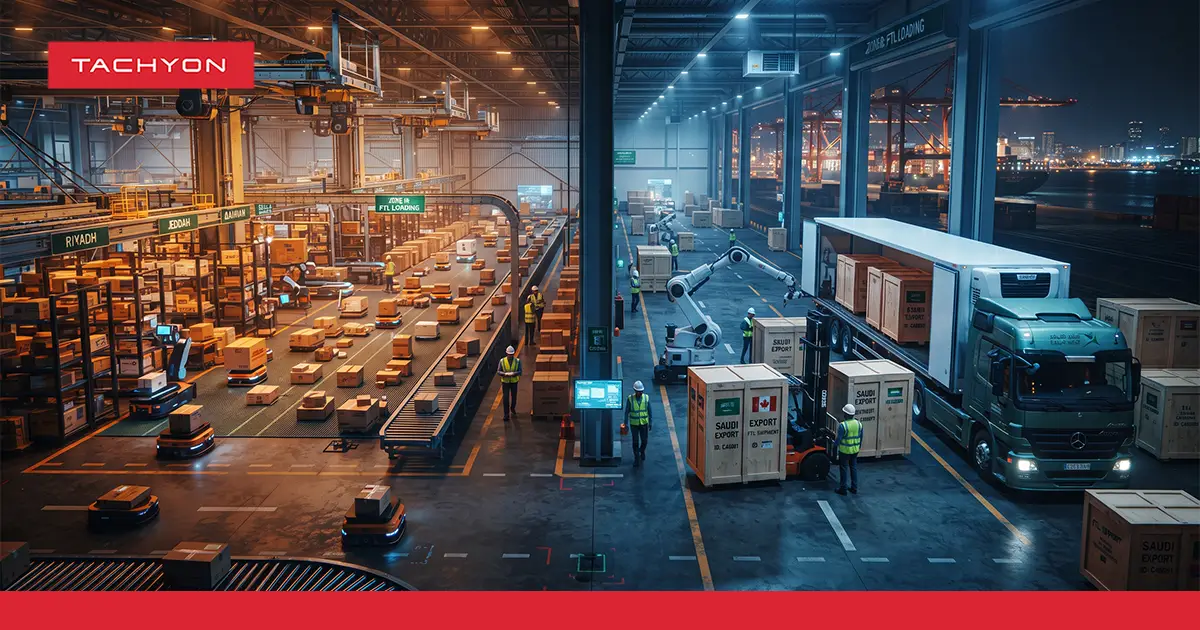
When Should You Choose LTL or FTL?
The right freight mode depends on the complete transportation requirement rather than one fixed weight or pallet threshold. Businesses should consider capacity, urgency, handling requirements, and operational cost together.
1. Choose LTL for Smaller Freight Loads
- Partial Capacity: Use LTL when freight occupies only part of the truck and reserving dedicated capacity would create significant unused space.
- Flexible Delivery: LTL works well when pickup and delivery schedules can accommodate wider transportation windows.
- Regular Small Shipments: Businesses can move smaller quantities more frequently instead of storing freight until enough volume is available for a full truck.
2. Choose FTL for Large or Critical Shipments
- Higher Volume: FTL becomes more attractive when freight occupies a substantial portion of available truck capacity.
- Time-Sensitive Delivery: Dedicated transportation provides better control when strict pickup or delivery schedules must be maintained.
- Sensitive Freight: Fragile, valuable, temperature-sensitive, or operationally critical goods may justify dedicated capacity to reduce handling and transportation exposure.
3. Evaluate Borderline LTL and FTL Loads
- Compare Both Rates: Shipments between traditional LTL volumes and near-full truckloads should be priced under both transportation models.
- Measure Capacity: Weight, pallet dimensions, linear space, stackability, and trailer type should be evaluated together before selecting a mode.
- Consider Operational Impact: Faster delivery or lower handling risk may sometimes justify FTL even when unused truck capacity remains.
4. Match the Mode to Business Requirements
- Cost Priority: LTL usually provides better capacity economics when shipments are small and transportation schedules are flexible.
- Service Priority: FTL provides greater transportation control when reliability, urgency, or dedicated capacity is more important.
- Dynamic Selection: Businesses with changing shipment volumes may benefit from using both modes instead of depending permanently on one freight model.
How to Optimize LTL and FTL Freight Operations
An effective freight strategy continuously balances shipment volume, available trucks, service requirements, and transportation costs. Better planning helps prevent both excessive LTL movements and underutilized FTL trucks.
1. Consolidate Compatible Freight
- Shipment Consolidation: Combining smaller shipments moving toward the same region can reduce repeated transportation movements.
- FTL Conversion: Several planned LTL shipments may sometimes be consolidated into one efficiently utilized full truckload.
- Planning Windows: Reviewing orders before dispatch creates more opportunities to combine compatible freight without affecting delivery commitments.
2. Improve Fleet Utilization
- Capacity Monitoring: A fleet management system helps companies understand how effectively owned and contracted vehicles are being utilized.
- Fleet Performance: Monitoring vehicle activity, fuel usage, maintenance, and driver performance provides a clearer picture of transportation efficiency.
- Underutilized Trucks: Identifying vehicles repeatedly operating below efficient capacity can reveal opportunities to consolidate loads or change freight modes.
3. Analyze Transportation Performance
- Freight KPIs: Logistics analytics software can track transportation cost, delivery performance, vehicle utilization, empty kilometers, and carrier efficiency.
- Historical Analysis: Reviewing previous shipment data helps identify lanes where repeated LTL movements could be consolidated into FTL.
- Cost Visibility: Comparing planned and actual transportation expenses enables logistics teams to detect expensive routes, carriers, or inefficient shipment patterns.
4. Add Flexible Transportation Capacity
- Peak Demand: A truck aggregation platform can provide additional transportation capacity when shipment volumes exceed the available internal fleet.
- Truck Selection: Businesses can access different vehicle types according to load dimensions, cargo conditions, and operational requirements.
- Capacity Flexibility: External truck networks help companies respond to seasonal demand without maintaining unnecessary permanent fleet capacity.
Build a Smarter LTL and FTL Strategy with Tachyon
Selecting between LTL and FTL becomes easier when transportation teams can see shipment demand, truck capacity, fleet performance, and logistics costs within one connected environment.
Tachyon combines intelligent transportation and fleet technologies to give companies greater visibility and control across freight operations:
- Unified Transport Planning: Manage shipment planning, execution, routing, and vehicle assignment from a connected logistics platform.
- Fleet Visibility: Monitor vehicles, drivers, utilization, operating costs, and fleet performance.
- Data-Driven Decisions: Analyze logistics KPIs to identify inefficient loads, routes, and transportation patterns.
- Flexible Capacity: Access additional transport resources when internal fleet capacity cannot meet changing freight demand.
Tachyon helps businesses move beyond choosing LTL or FTL based only on shipment size and build transportation strategies around real operational data.
Discover Tachyon’s AI-powered digital logistics platform and request a demo to optimize freight planning, improve truck utilization, and reduce transportation costs across your logistics network.
Frequently Asked Questions About LTL vs FTL
Is LTL or FTL more expensive?
LTL is generally more economical for smaller shipments because multiple shippers share the cost of truck capacity. FTL can become more cost-effective for larger shipments or when dedicated capacity, faster transportation, and reduced handling provide greater operational value.
Is FedEx Freight LTL or FTL?
FedEx Freight primarily provides less-than-truckload freight services for shipments that require more capacity than parcel shipping but do not require an entire truck. Available services and shipment limits depend on the route and freight requirements.
How many pallets are considered FTL?
There is no universal number of pallets that automatically defines a full truckload. Pallet dimensions, shipment weight, trailer size, stackability, and carrier capacity must all be evaluated before deciding between LTL and FTL.
What weight is considered an LTL shipment?
LTL weight limits vary between carriers and markets, so there is no single global threshold. Businesses should evaluate the carrier’s accepted weight, shipment dimensions, and space requirements before selecting the freight mode.
Which is faster, LTL or FTL?
FTL is generally faster because the truck is dedicated to one shipper and usually requires fewer stops or transfers. LTL freight may travel through terminals and consolidation points before reaching the final destination.
Is LTL suitable for fragile freight?
LTL can transport fragile freight when goods are packaged and secured correctly, but the shipment may experience several handling points. FTL is often preferred when minimizing cargo transfers and handling exposure is a priority.
Can I book FTL without filling the entire truck?
Yes. Full truckload means that the truck is dedicated to one shipper rather than that every available space must be occupied. Companies may reserve FTL for urgent, sensitive, or high-value freight even when some capacity remains unused.
What is the difference between FTL and FCL?
FTL means Full Truckload and refers to dedicated truck capacity in road transportation. FCL means Full Container Load and refers to a dedicated shipping container, most commonly used in ocean freight.
When should a business switch from LTL to FTL?
A business should evaluate FTL when shipment volume increases, LTL costs rise, freight occupies a significant share of trailer capacity, or delivery and handling requirements become more demanding.
Comparing both modes using actual shipment data gives a more reliable decision than relying on pallet count alone.
