
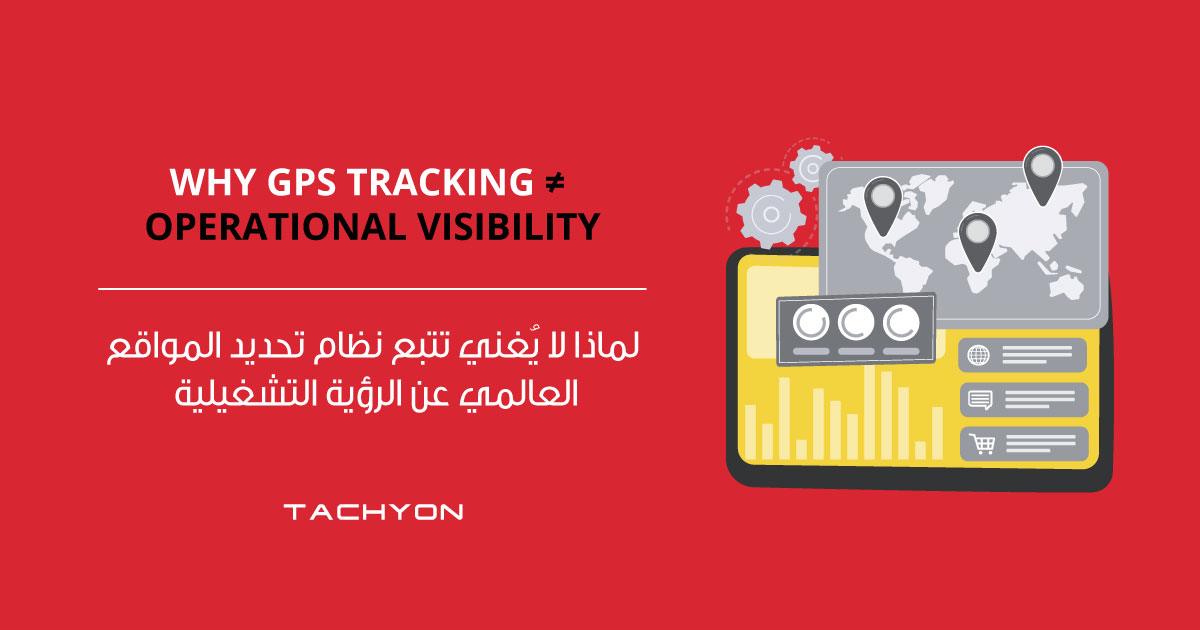
GPS tracking shows where your vehicles or assets are, but it does not explain what is actually happening in your operations. Businesses often believe that simply having a GPS installed will provide complete control and visibility. GPS location data alone cannot provide any information on delays, driver behavior, workflow bottlenecks, or productivity. Operational visibility is more than just dots on the map. It is the combination of data, context, and insights to enable operations managers to make better and quicker decisions.
What GPS Tracking Really Shows in Logistics
GPS tracking provides logistics companies with the ability to track their vehicles in real time, including their current location, the route they have taken, and their estimated time of arrival (ETA). In other words, GPS tracking gives you visibility on where the trucks are at that moment in time. This visibility can assist logistics companies with managing their transport routes, preventing theft of their vehicles and cargo, and coordinating the delivery process. The primary limitation of GPS tracking is that it is limited to providing location data. While GPS will inform you about the location of your asset. It does not provide information on how efficiently the transport operations behind the scenes are running.
Limitations of GPS Tracking in Transport Operations
GPS tracking can be useful for logistics companies. It has limitations in the area of transport operations. GPS does not provide an explanation of the reason for delays, the behaviour of drivers while on the road, or whether the operational processes are being operated efficiently. In addition, it does not supply insights into fuel consumption patterns, loading and unloading times, or communication gaps between the various teams that are involved in the transport process. As a result of these limitations, logistics companies that do not utilize GPS are often unable to identify operational achievements that may impact their overall cost, productivity, and service delivery quality.
What Operational Visibility Means in Modern Logistics
The concept of operational visibility within modern-day logistics in KSA has much more than merely tracking the location of items. Operational visibility means the ability to have a complete view of the logistical process with regard to real-time monitoring. It includes understanding all aspects of logistics operations, including vehicle performance, driver activities, route efficiencies, delivery statuses, and overall operational workflows. The collection of data from various systems enables an organization to see how its entire logistical network is performing. They easily know the early identification of any problem areas, as well as the optimization of performance.
Operational Visibility in Fleet Management
With fleet management, operational visibility enables one to understand both the physical location and the performance of fleet vehicles. Operational visibility is achieved by bringing together GPS data pertaining to vehicle movement with additional driver, fuel, maintenance, and delivery-related data. This not only provides fleet managers with an overall view of each vehicle’s performance, but also assists them in making enhanced decisions that help reduce operational costs while improving both vehicle safety and customer service. In sum, through having operational visibility, a fleet manager gains insight to take actions aimed at making smarter operational decisions.
Why Location Data Alone Is Not Enough
Fleet managers have the ability to view real-time locations of their vehicles. They still do not have a complete picture of fleet operations. In order to get a better understanding of how drivers are performing, how much fuel is being consumed, how much time is spent idling, and whether or not there are delays or maintenance issues with a vehicle, you need more than the location. To know how to manage a fleet effectively, you must use operational data along with the location of the vehicle to help you determine the effectiveness of a driver’s performance. You need it to see the health of the vehicle and the overall workflow of the driver.
The Gap Between GPS Tracking & Visibility
The gap between using simple GPS tracking versus having true operational visibility in logistics operations cannot be overstated. GPS Tracking simply allows you to plot the movement of the vehicle on a map. On the other hand, operational visibility provides context around how the movement occurred by providing actionable insight combined from different sources. You can observe the performance of drivers, shipment delivery statuses, route efficiencies, and processes that help track logistics operations to allow you to see a complete view of your logistics operations. Finding ways to close the gap between simple GPS tracking and true operational visibility to provide better decision-making for fleet managers. They need a solution to move from basic tracking to more intelligent data-driven fleet performance.
Key Operational Insights Needed Beyond GPS
GPS Tracking provides location data. Logistics teams also benefit from deeper operational insights to effectively manage their fleets. Drivers’ behaviour, vehicle utilization and fuel consumption, as well as idle time and delivery performance, all require an analysis of operational data alongside the location data for the business to understand how their transport operations perform on the road.
Data Integration Improves Logistics Visibility
To demonstrate true logistics visibility, there is a need to integrate more datasets into one platform. GPS data, fleet management systems, driver monitoring, maintenance records, and delivery management software, when integrated, provide businesses with a single operational view of their fleet. The ability to have a single view of operations provides businesses with the opportunity to track performance and identify issues early. It utilizes data to make rapid decisions to improve efficiency and customer satisfaction.
Real-Time Monitoring in Transport Operations
With real-time visibility, logistics companies are able to monitor not only where their trucks are, but also how they operate at the moment. Fleet managers can view all relevant operational metrics with insight into delays, route diversions, driver actions, and delivery status almost instantly. They can respond quickly to unexpected issues, plan and optimize routes, and keep better control over the transport operation, thus providing greater reliability and operational strength.
Logistics Companies Need End-to-End Visibility
Modern logistics operations in Saudi Arabia have many moving parts: vehicles, drivers, routes, deliveries, warehouse coordination, etc. Logistics companies in KSA need end-to-end visibility into the entire supply chain to successfully navigate through these complexities. End-to-end visibility includes tracking shipments from the point of dispatch throughout the journey until they arrive at their final destination, while measuring the operational efficiency of the shipping and receiving processes. It enables inspection of all of the parties involved in shipping the product to its ultimate destination. Businesses with complete end-to-end visibility are able to identify delays faster, eliminate inefficiencies more readily, and provide coordination between all of their employees and systems.
Centralized Dashboards for Fleet Control
With centralized transportation dashboards, you can view all supply chain activities in one convenient solution as opposed to having to look at many different tools or reports. It helps to see the location of vehicles and drivers, driver performance, the status of deliveries, or other operational alerts. A centralized dashboard provides fleet managers the ability to respond quickly to issues, make data-driven decisions, and gain better control over their everyday fleet operations. It increases efficiency, productivity, and quality of service.
Logistics businesses in Saudi Arabia can take their operations to the next level through the use of Tachyon TMS. It provides total operational visibility throughout the fleet and transport workflow process beyond just GPS location tracking. It does all alone by consolidating the various attributes of vehicle data, driver activity, route performance, and delivery updates in one solution. With these consolidated data sets, companies can quickly detect inefficient operations that lead to time delays and may also lead to poor overall fleet performance. Companies will have access to actionable intelligence instead of simply location-based intelligence and will therefore have the ability to manage their logistics operation with more accuracy.
TachyonTMS Dashboard for Live Operations Insights
The TachyonTMS Dashboard provides a complete picture of your live logistics operations in KSA. Fleet Managers have access to vehicle tracking, delivery status, operational alerts, and performance metrics as they happen. An integrated dashboard allows teams to respond quickly to any disruption and improve their delivery route plans. The transformation of raw data into action items enables businesses to make intelligent decisions and manage logistics more smartly. Experience complete control of your fleet operations in real time while optimizing your logistics visibility with TachyonTMS.
Frequently ASked Questions
What does GPS tracking provide in logistics?
GPS tracking mainly provides real-time location data of vehicles or assets.
Why is GPS tracking not enough for fleet management?
GPS tracking only shows where a vehicle is located.
What is operational visibility in logistics?
Operational visibility means having complete insight into logistics operations, including vehicle performance, driver activity, delivery status, and workflow in real time.
How does operational visibility improve transport operations?
It helps logistics companies identify problems quickly, optimize routes, reduce costs, and improve delivery reliability.
How can a transport management system improve logistics visibility?
TachyonTMS integrates multiple data sources into one dashboard, giving fleet managers real-time insights and better control over logistics operations.
